"Hajj Tiling" was the winner of SOM's second Computational Design Challenge. The challenge asked teams to explore new design opportunities and alternative methods for computational modeling, specifically focused on the Hajj Terminal.
Acknowledging the geometric freedom enabled by a membrane roof and no walls, this project asked what alternative grids could be considered beyond a square grid.
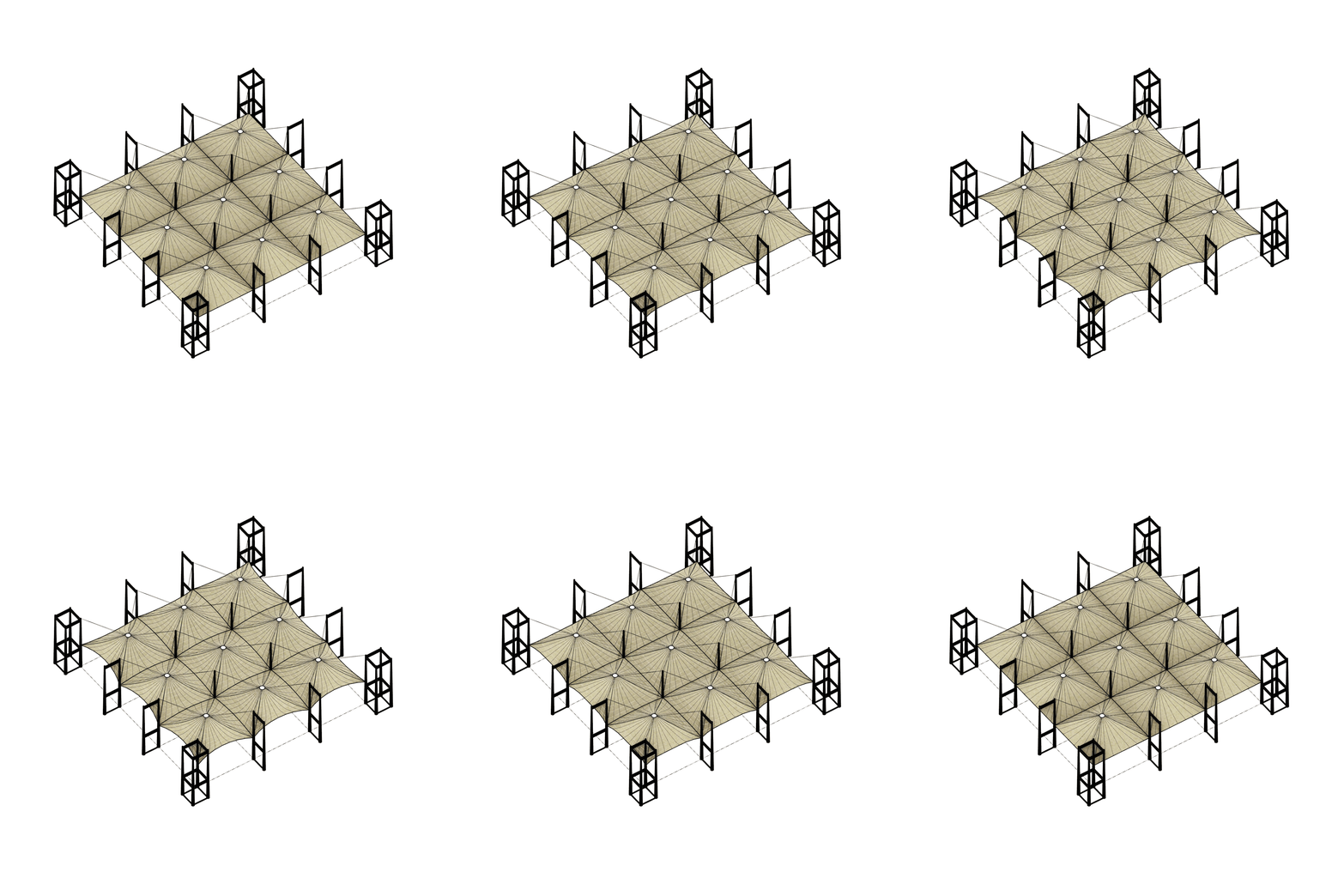
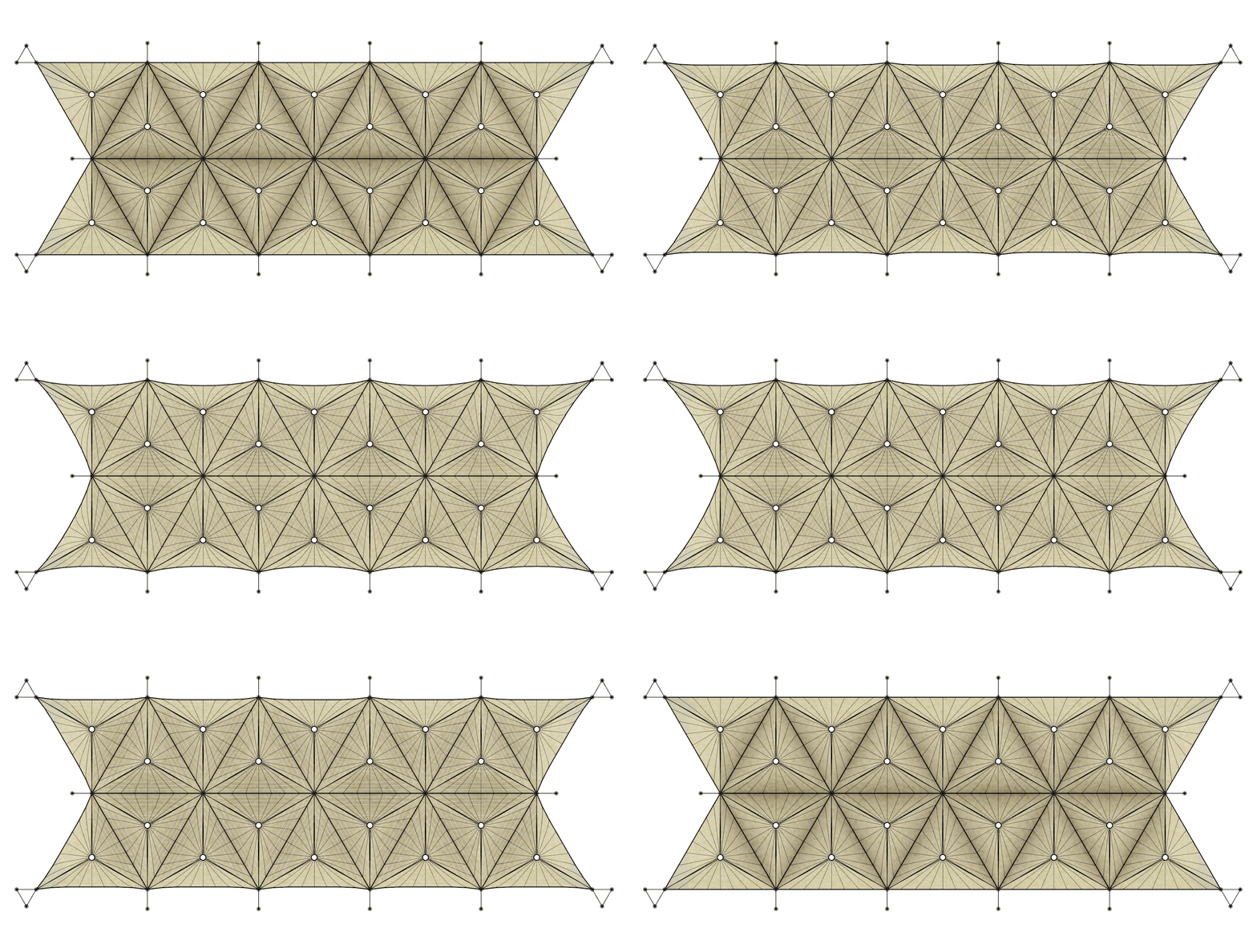
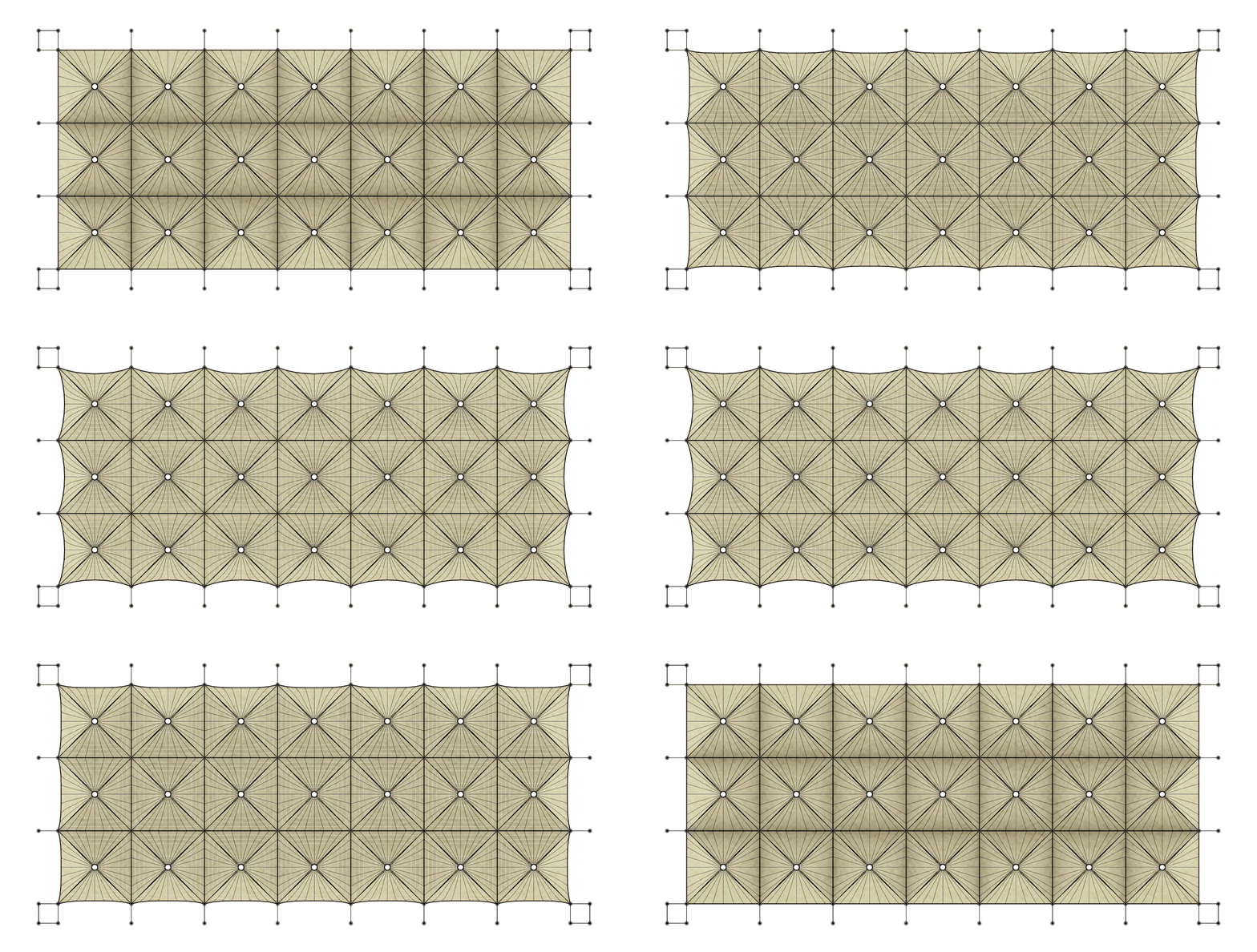
To properly ask this question, the membrane roof was simulated in Kangaroo. An underlying square grid is introduced, followed by columns, perimeter moment frames, cables, and the membrane definition.
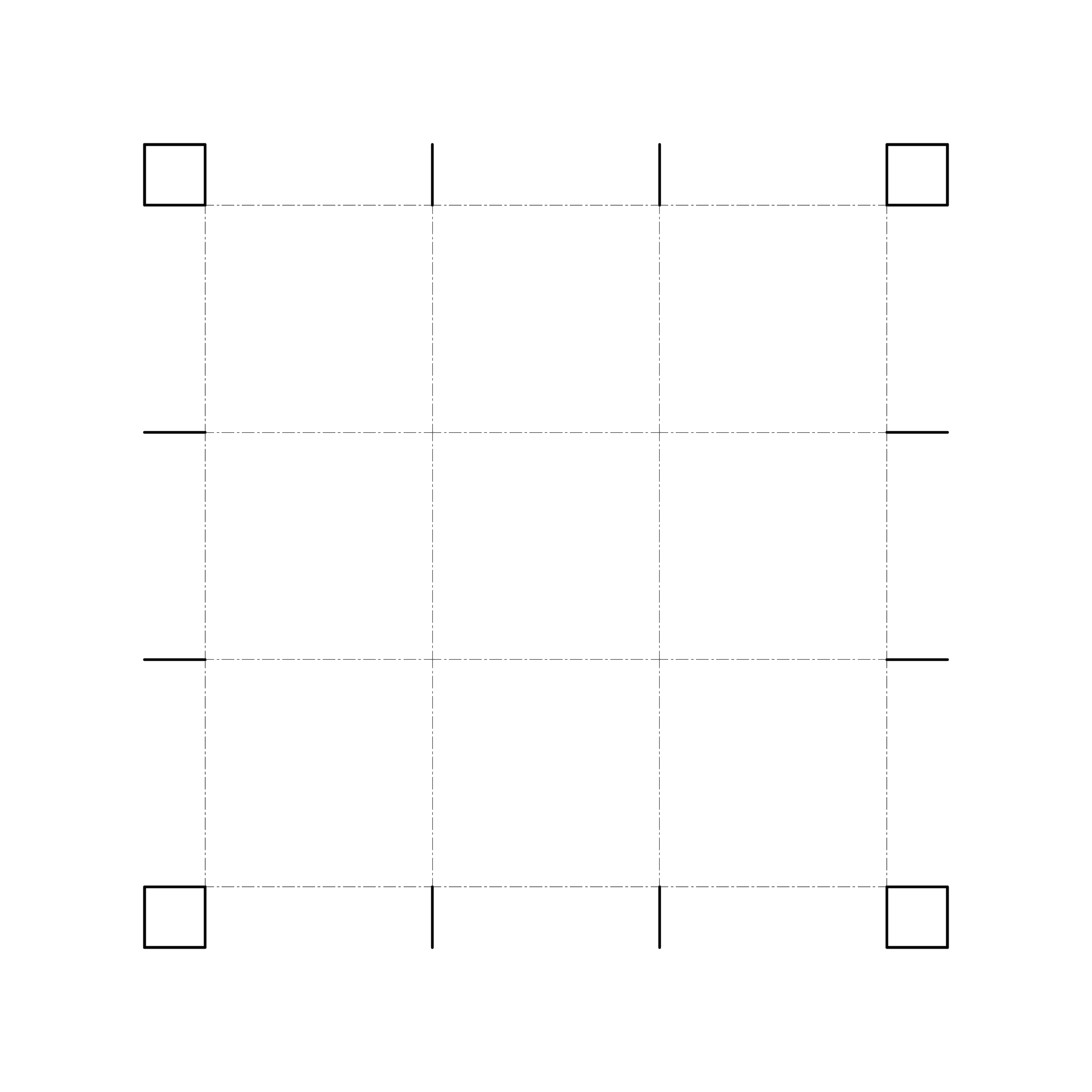
Grid
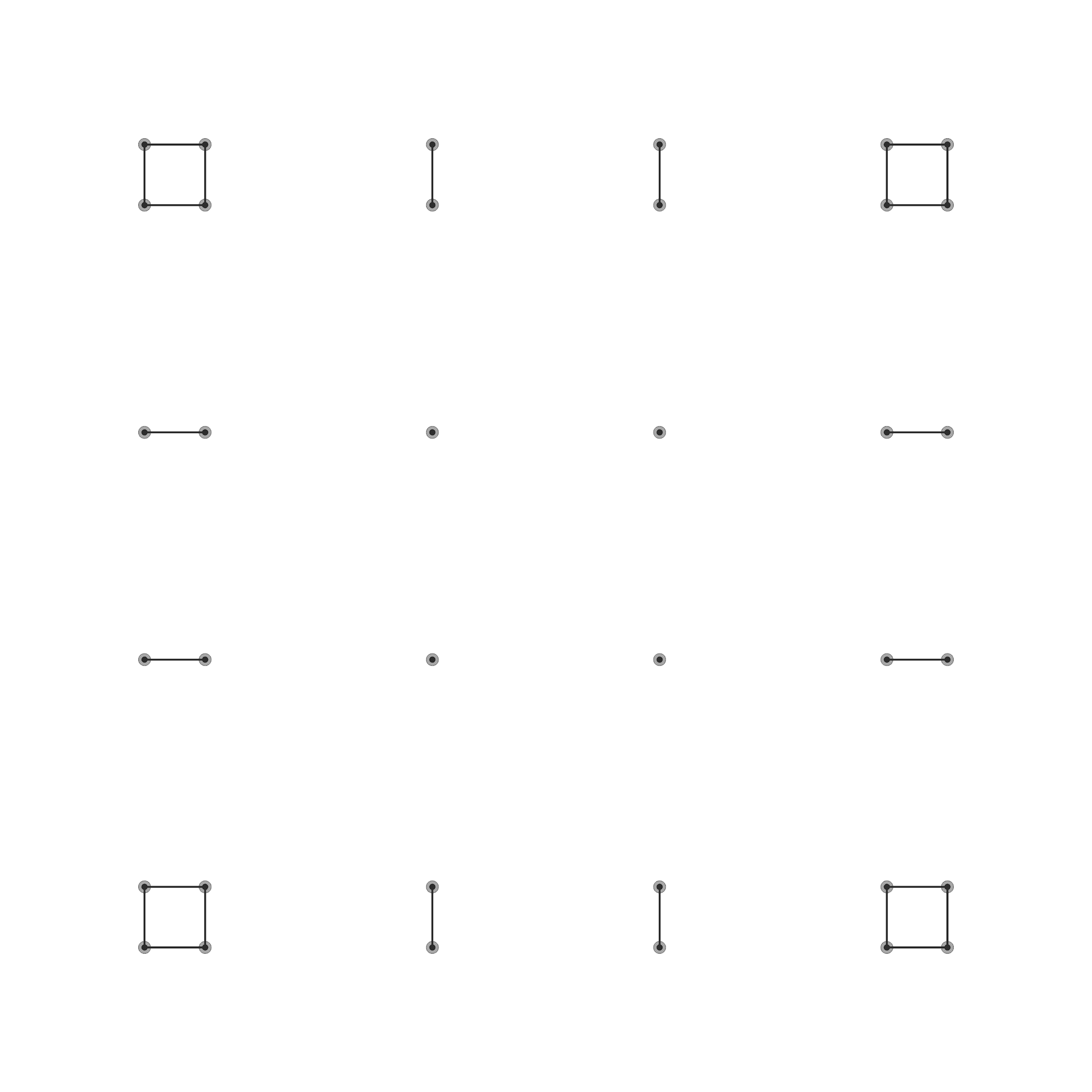
Columns
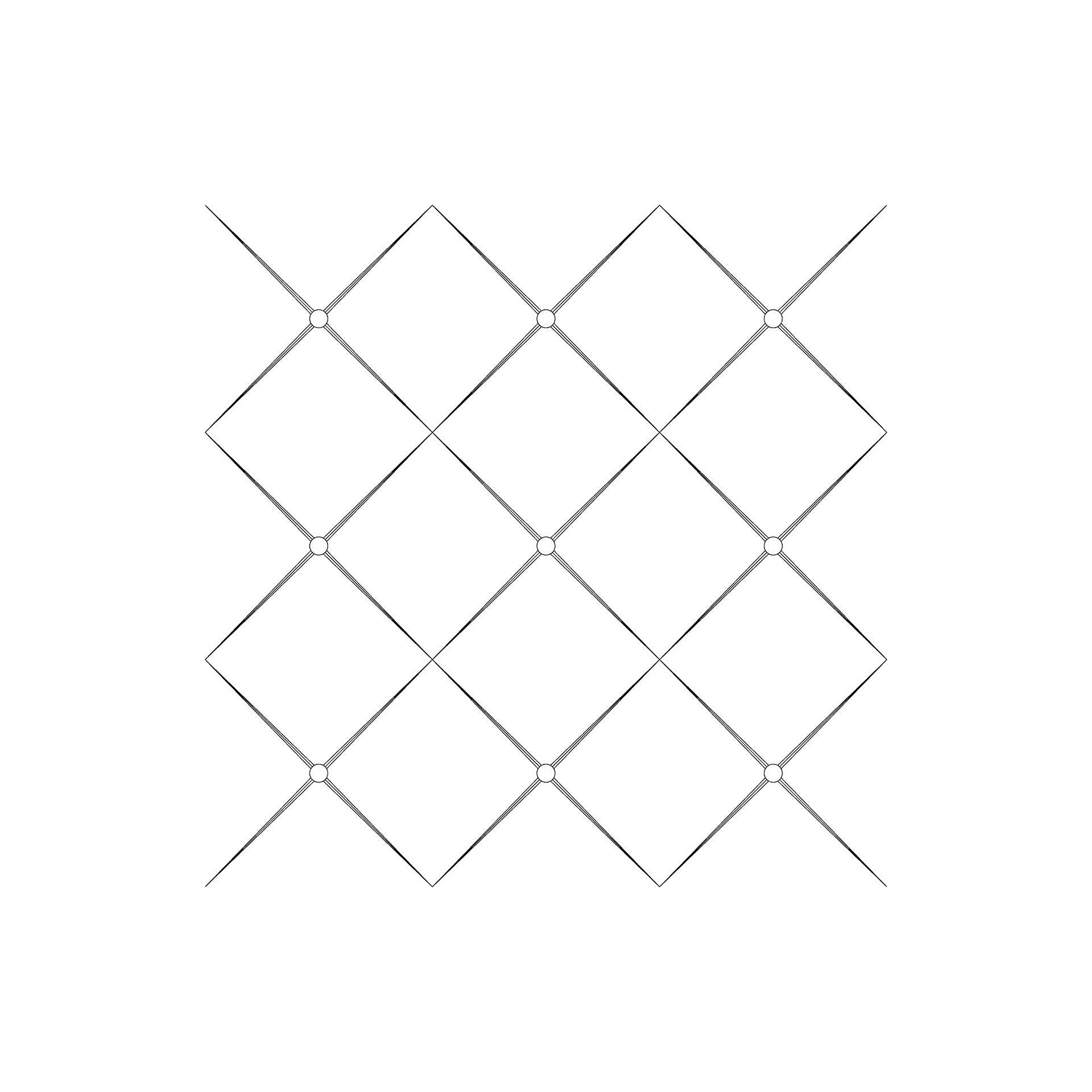
Cables
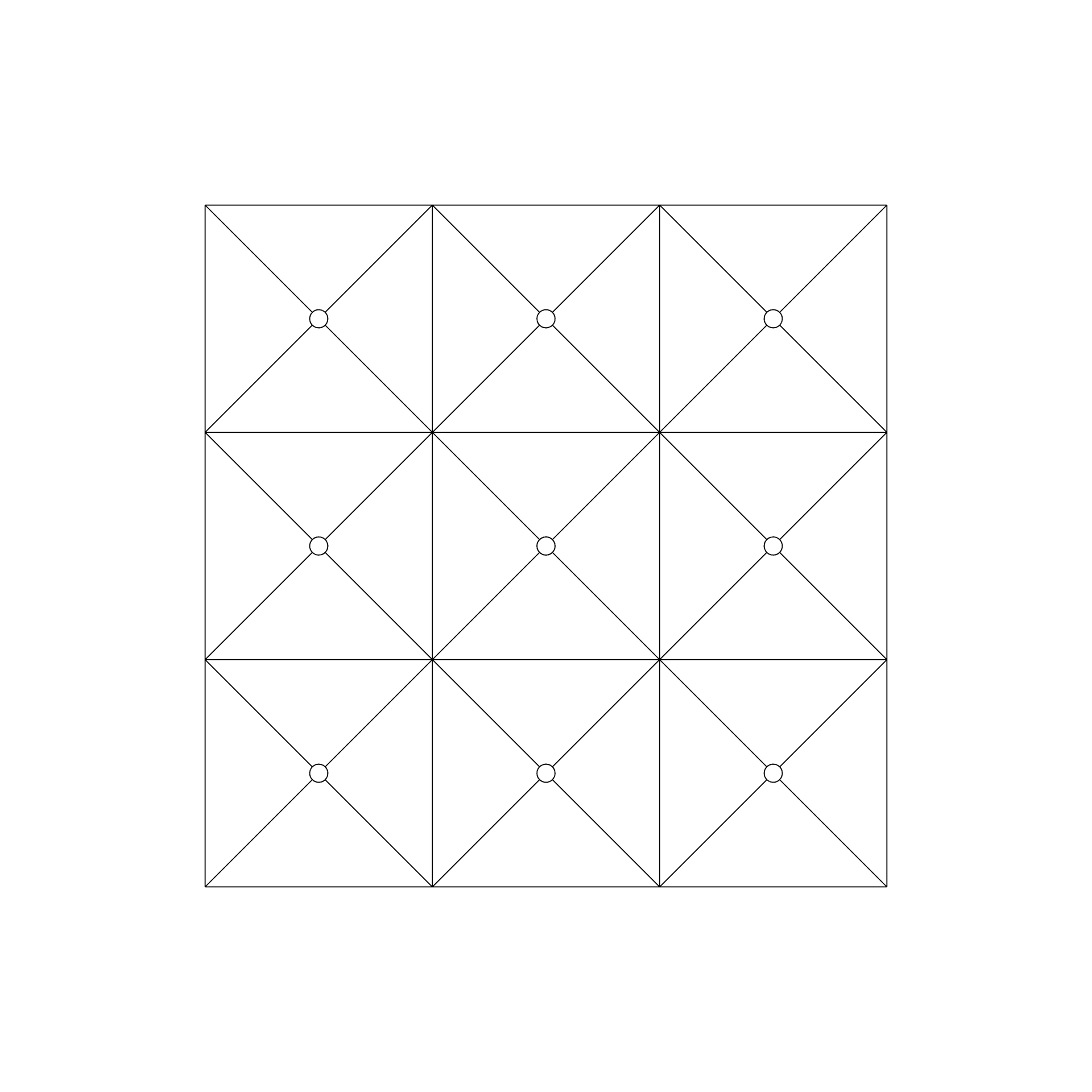
Membrane - Primary
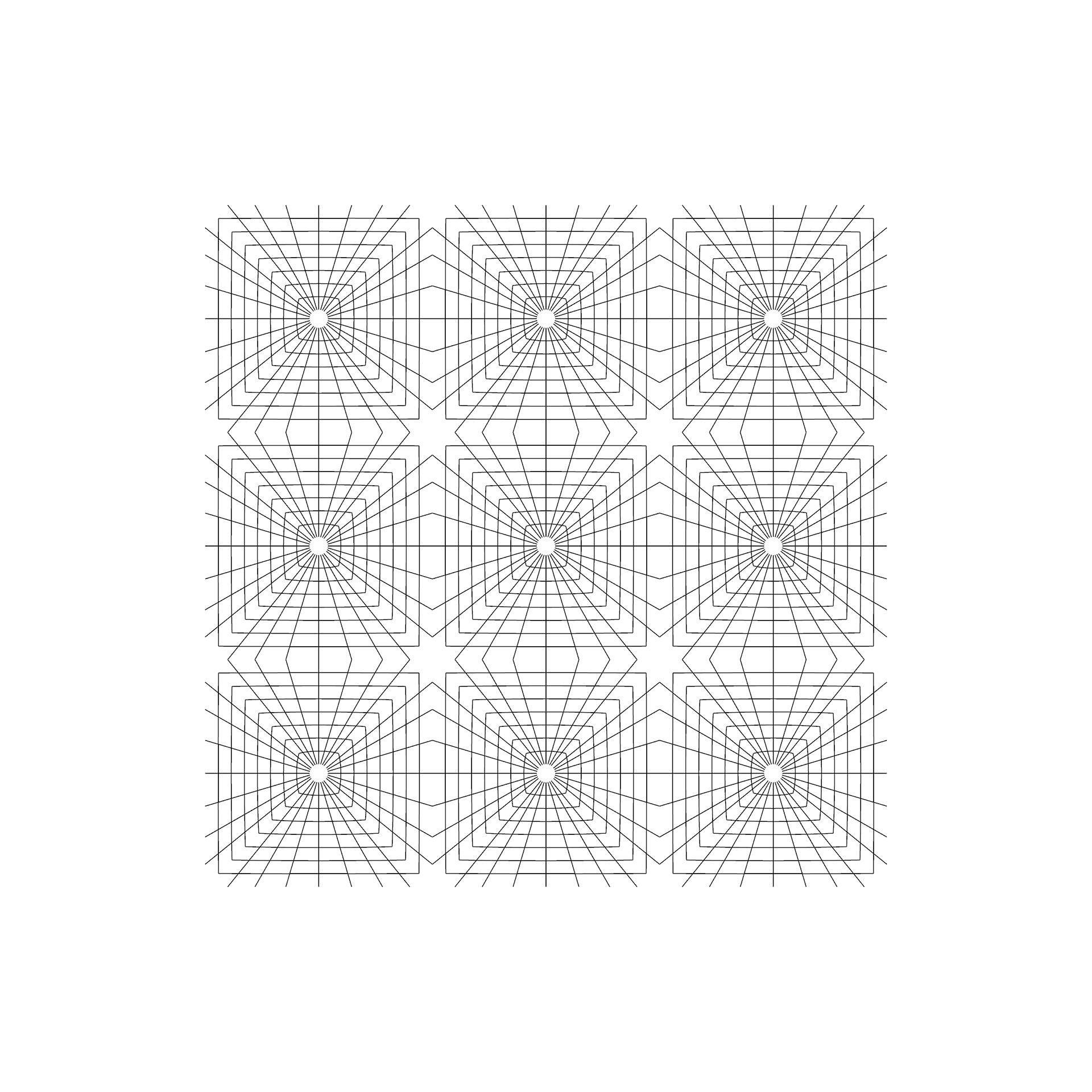
Membrane - Secondary
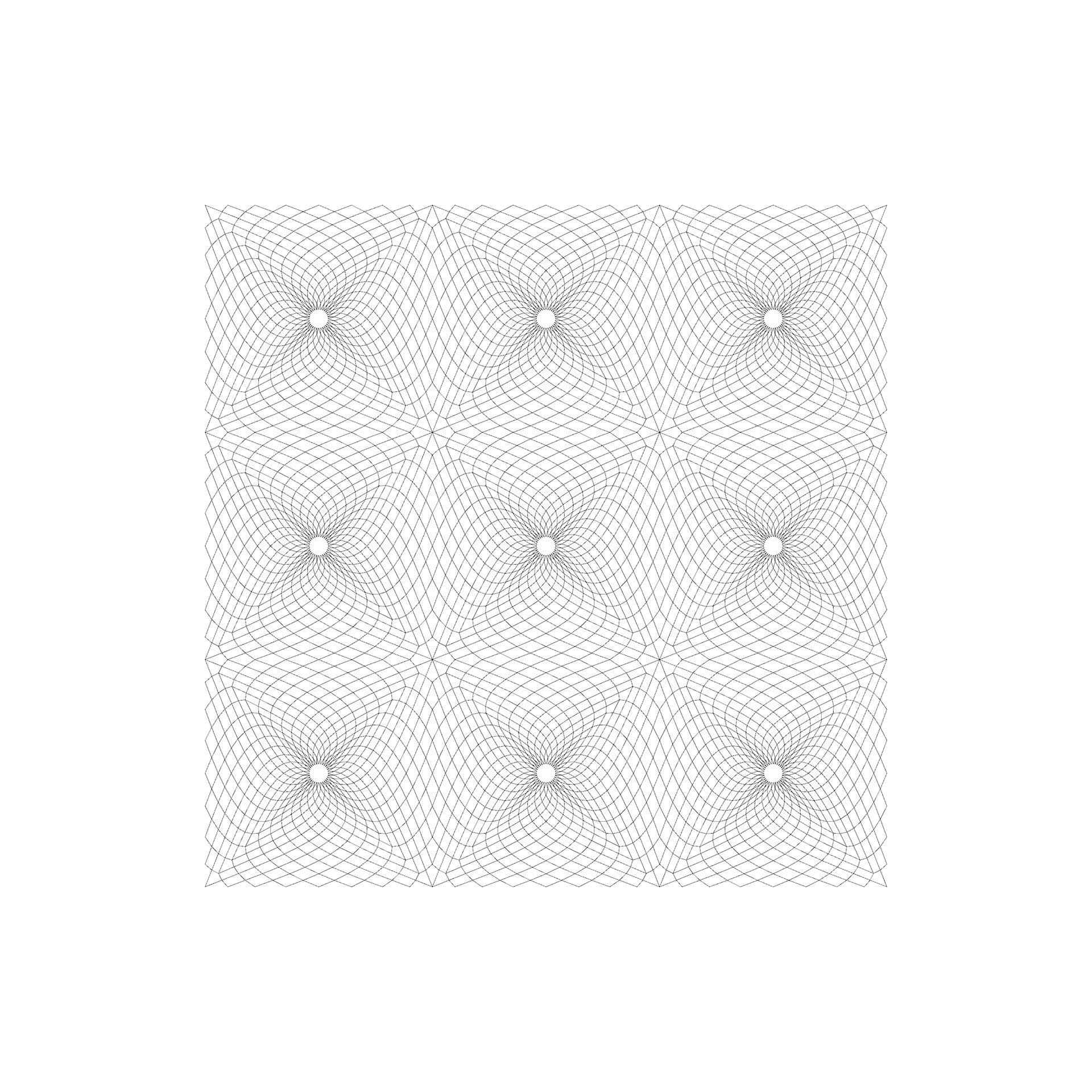
Membrane - Diagonals
The parametric definition is here applied to a full open air bay of the terminal, as a proof of concept.

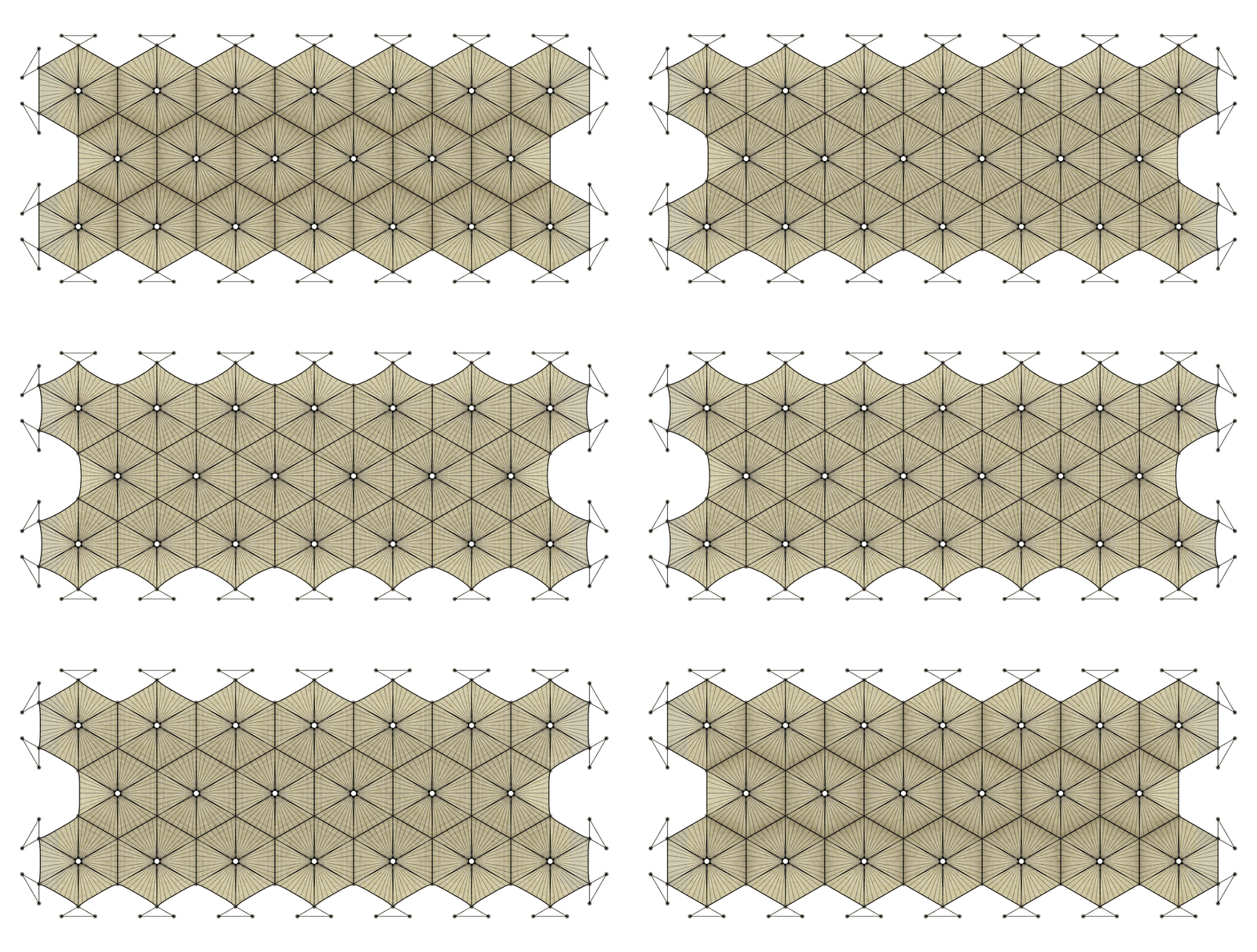
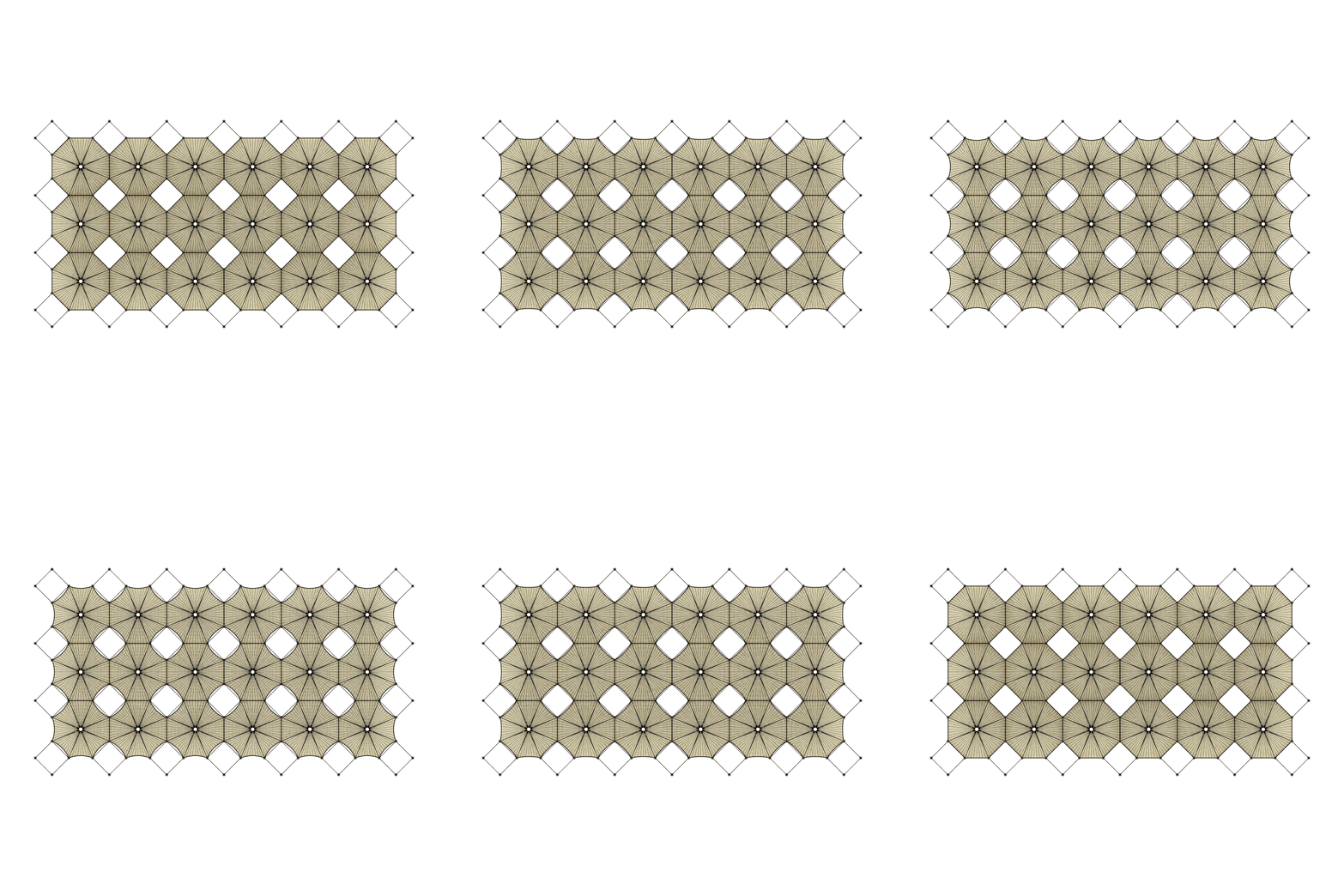
The definition is then extended to the three regular tiling patterns - triangle, square, and hexagon. The three regular tiling patterns were compared, considering how alternate configurations could reduce the number of columns. A triangular grid, assuming the same distance from column to centroid, supports more area per column than a typical square grid. Should we building with triangular grids?
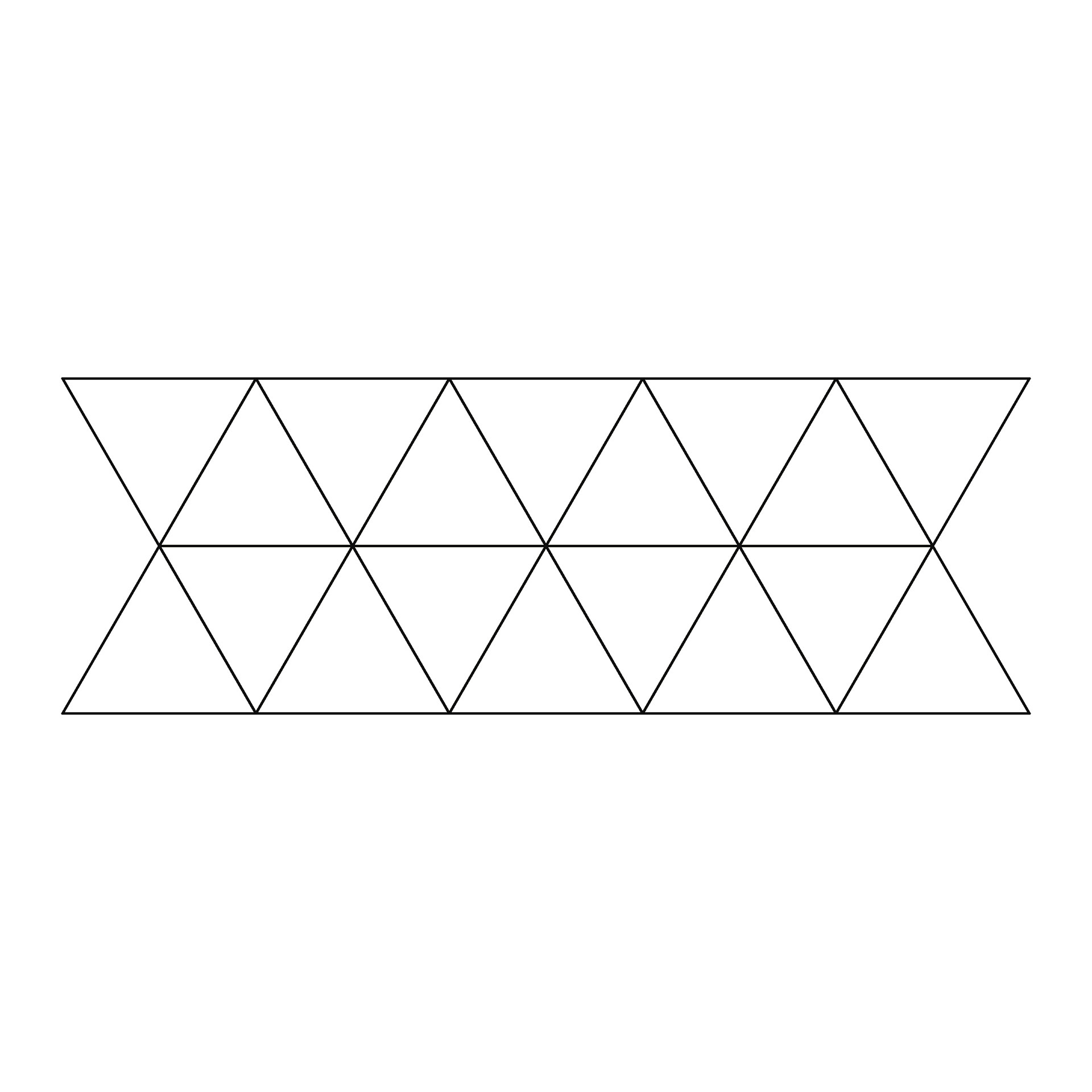
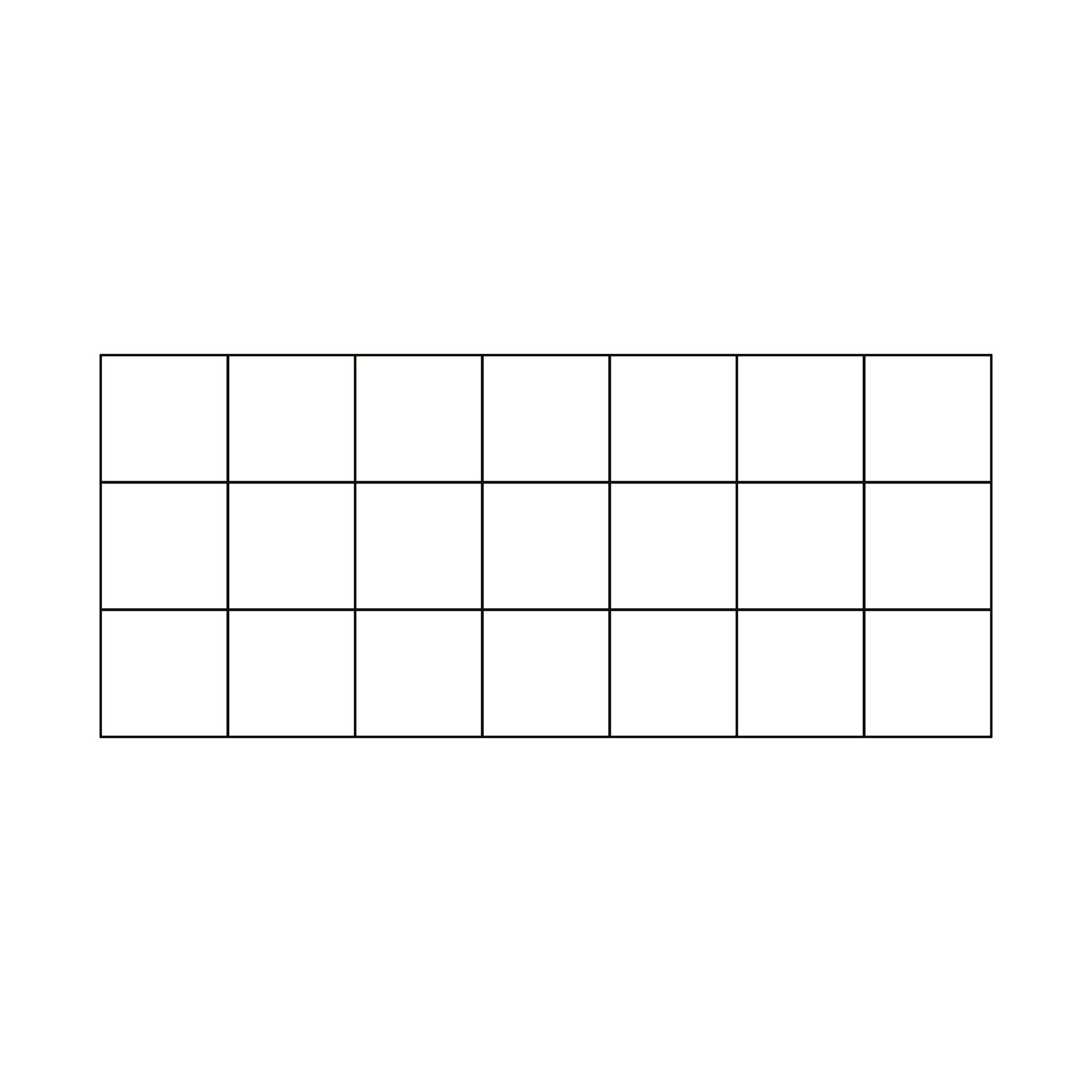
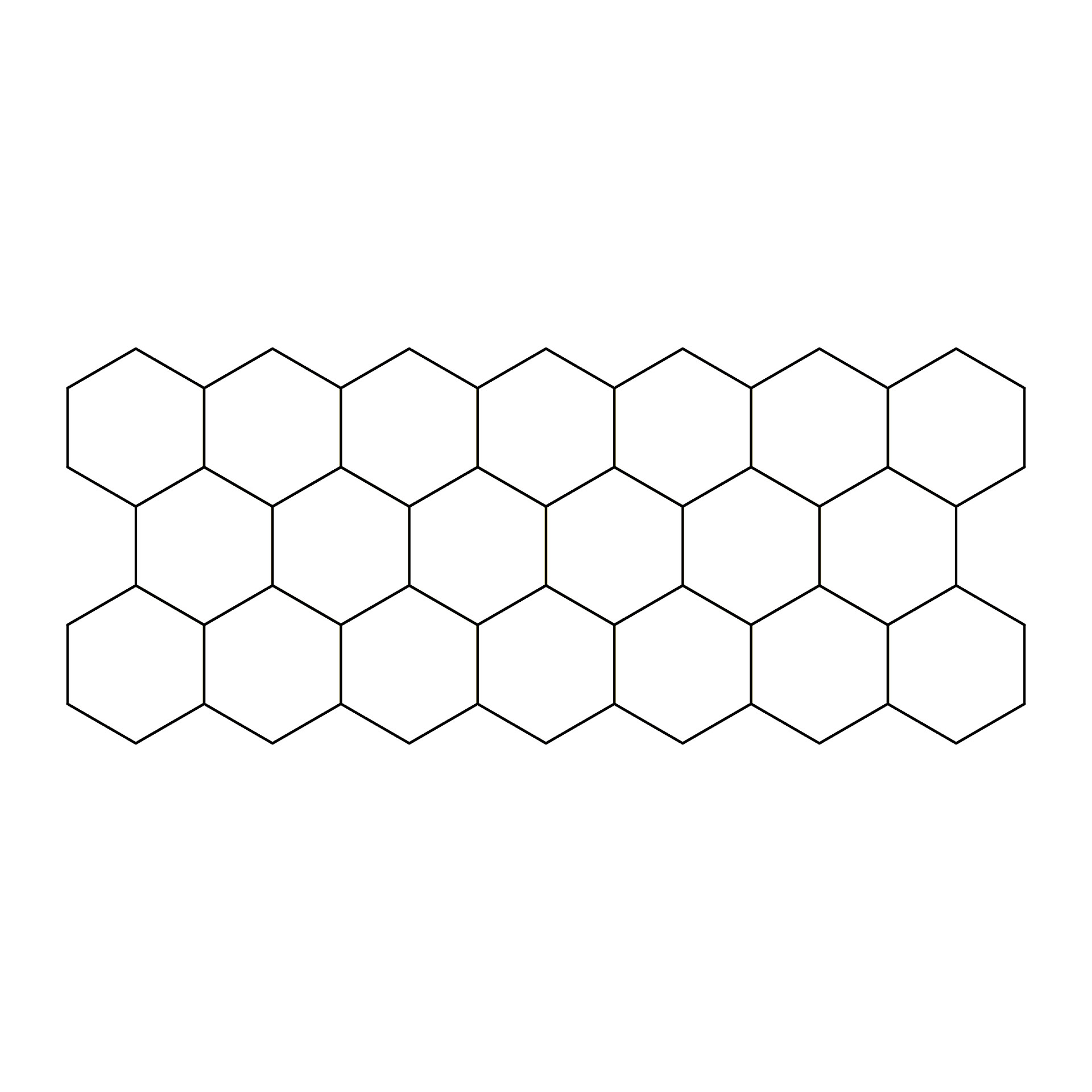
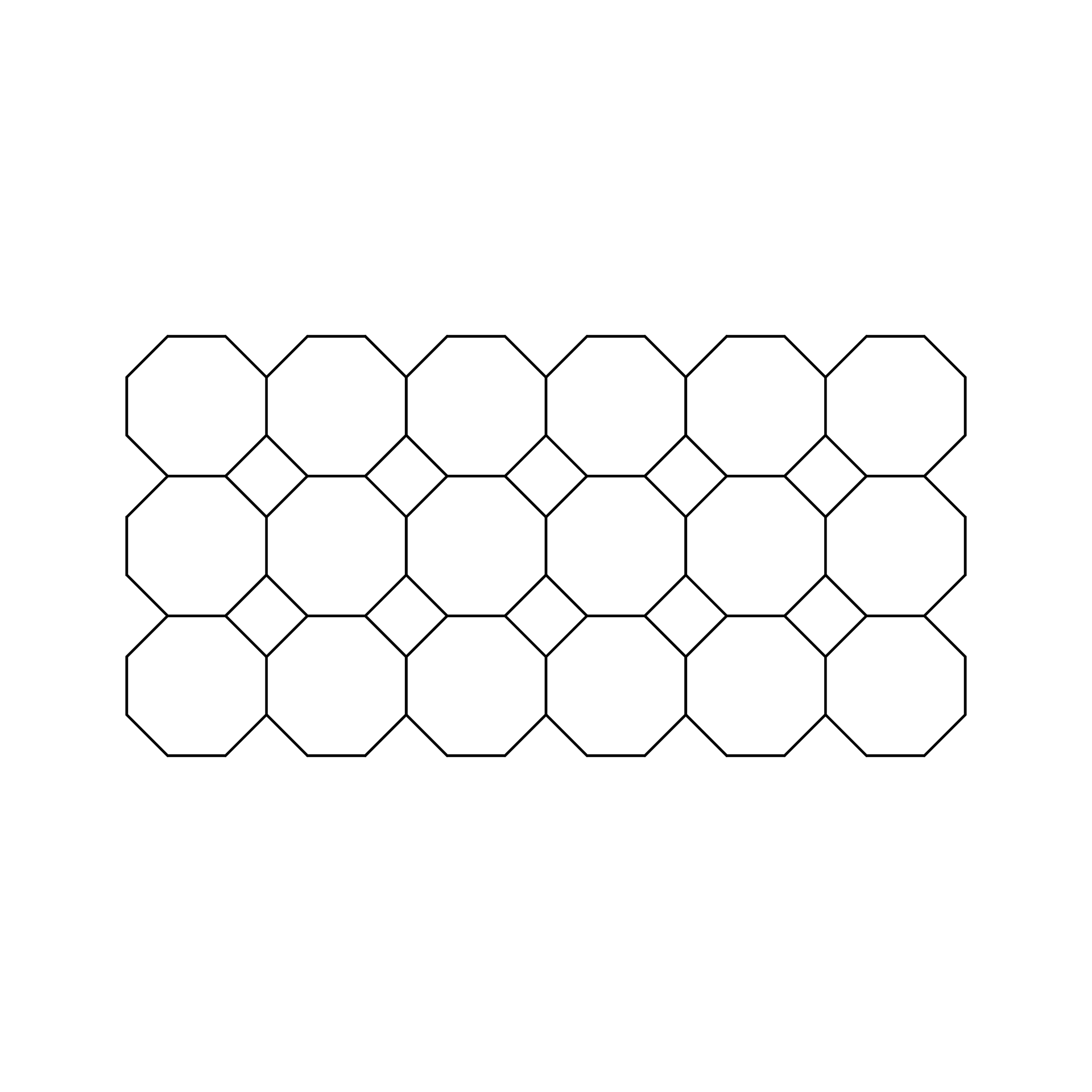
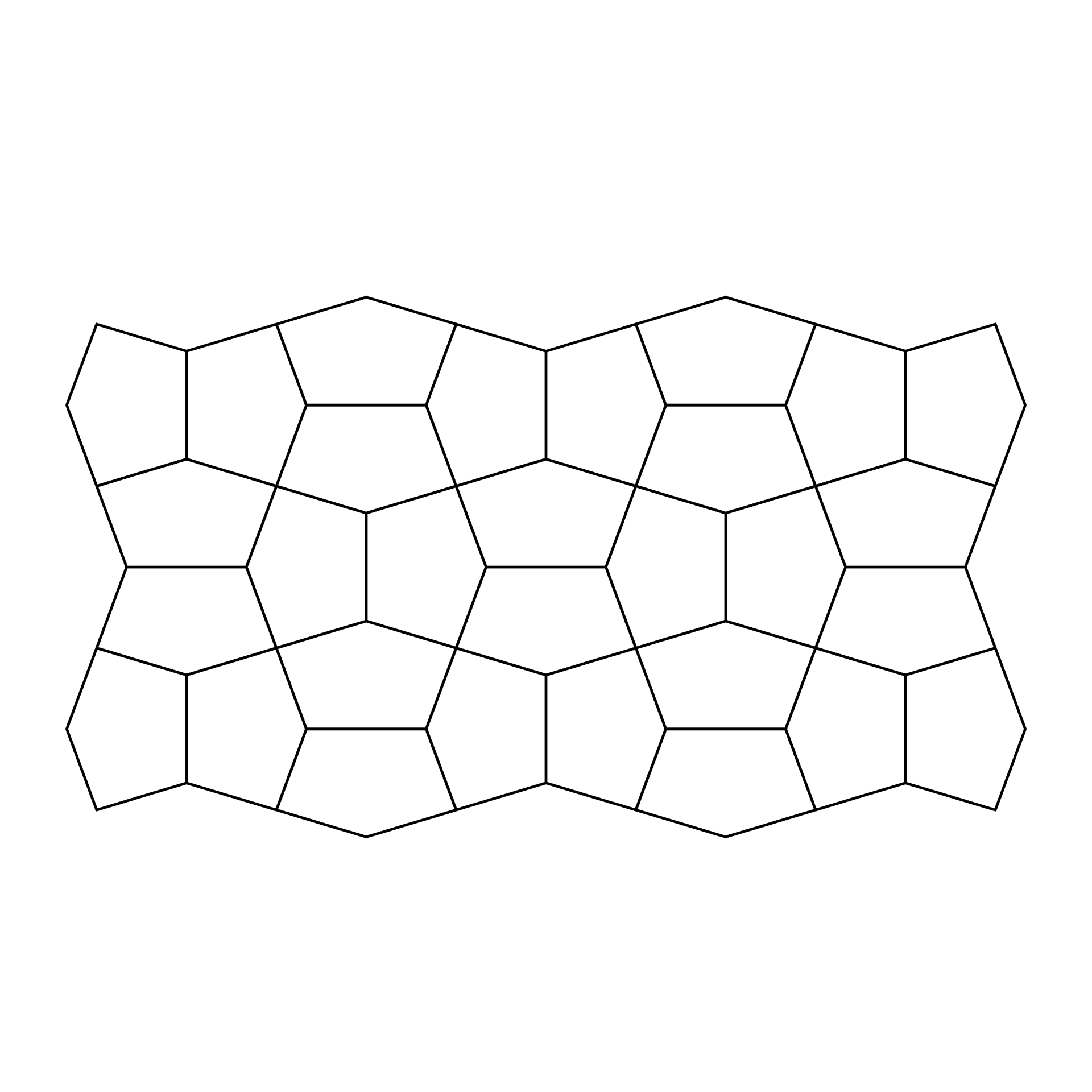
The study then asked, what if we considered irregular tile patterns? Truncated squares? Cairo tiling? Penrose?
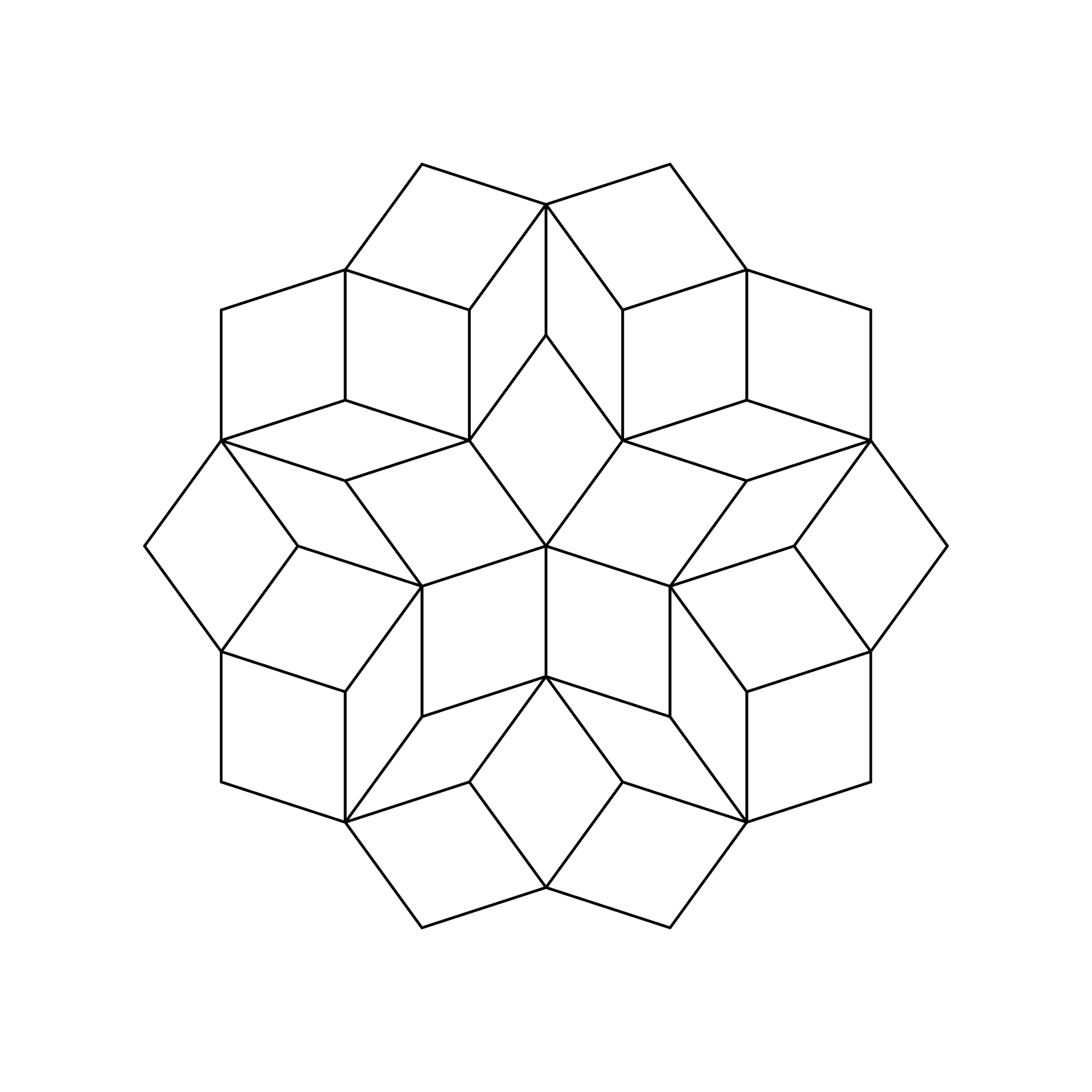
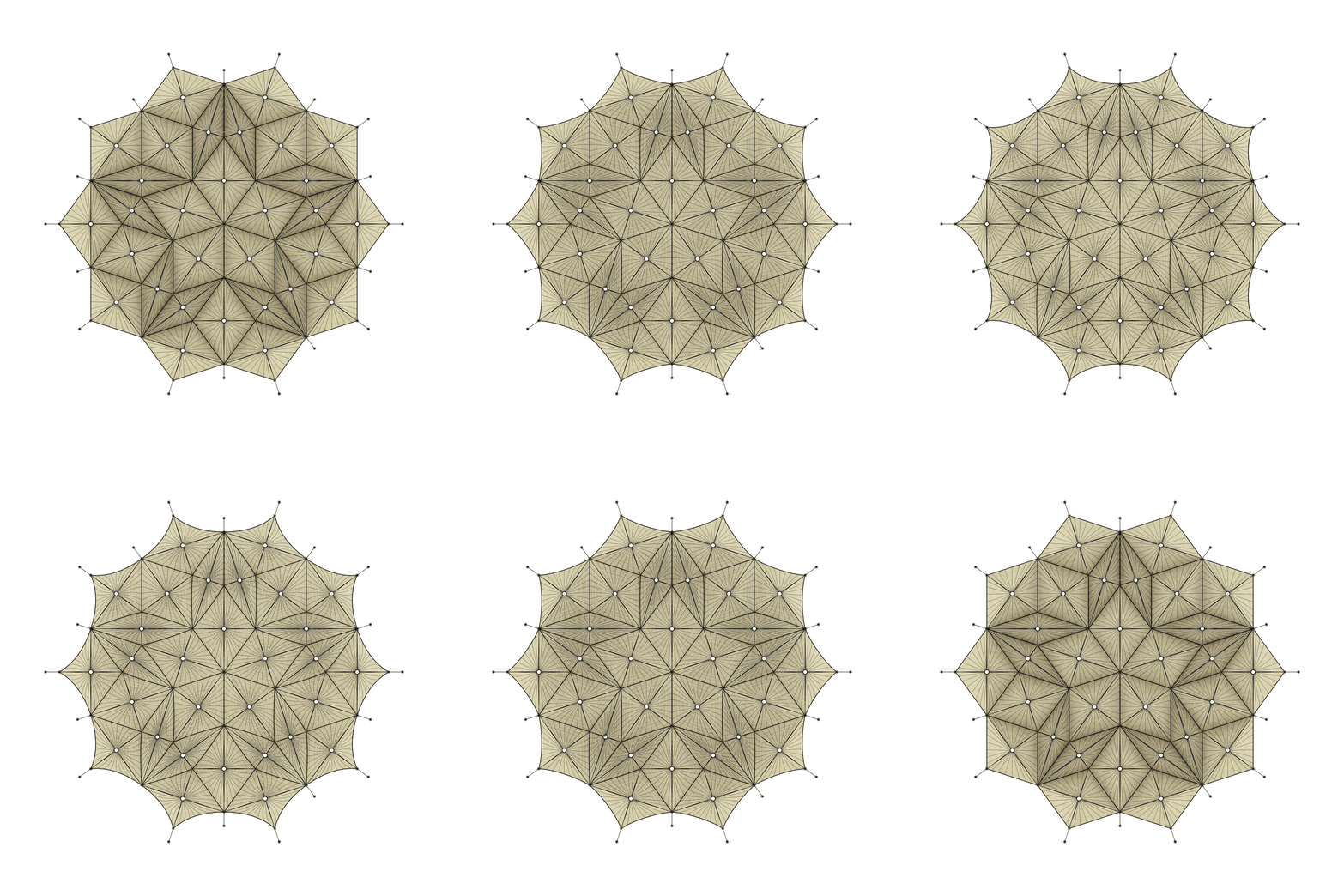
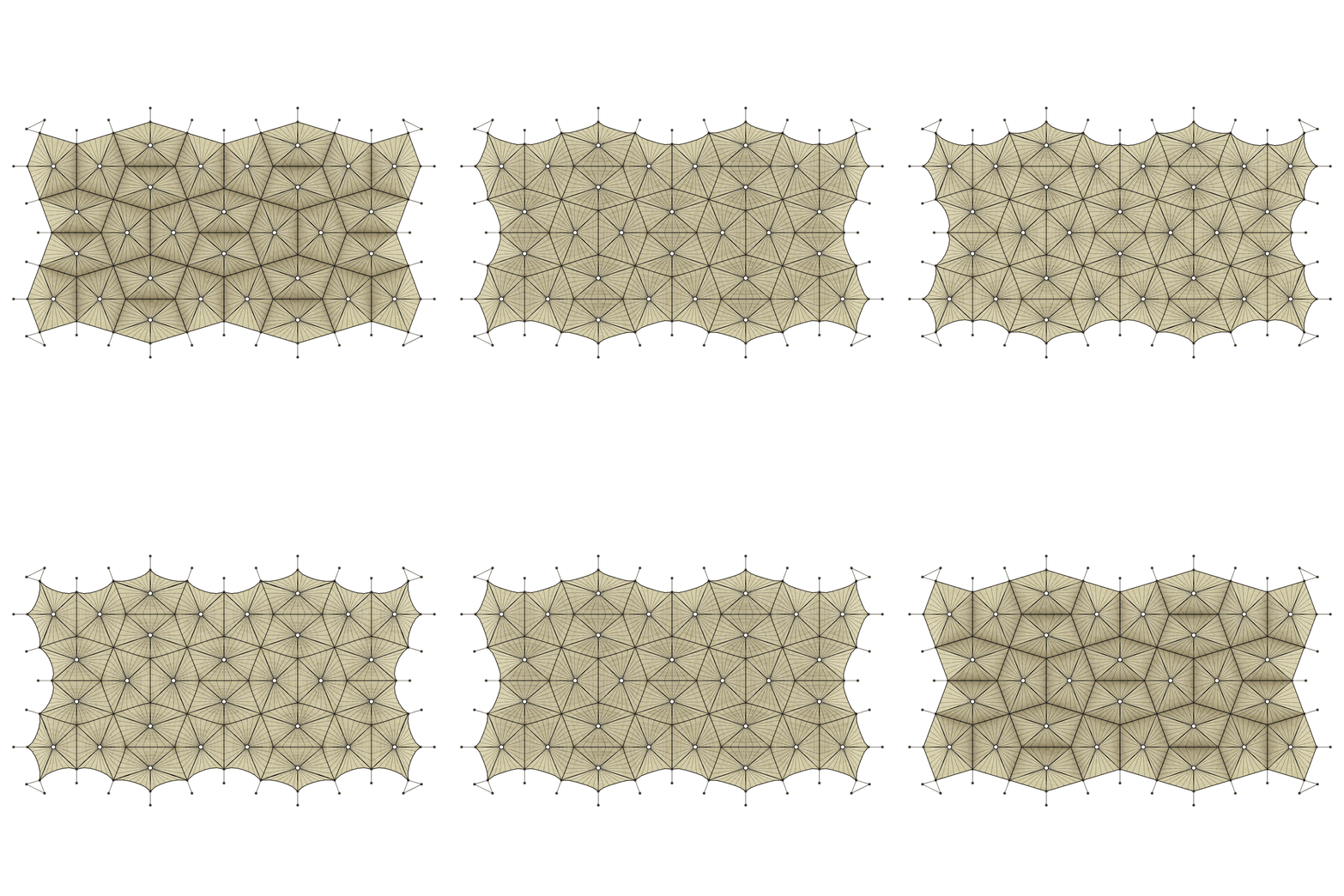
Penrose tiling offered an opportunity to explore a radial pattern. Removing diamond shapes from the Penrose grid creates voids in the plan, and opportunities for the geometry to surprise.
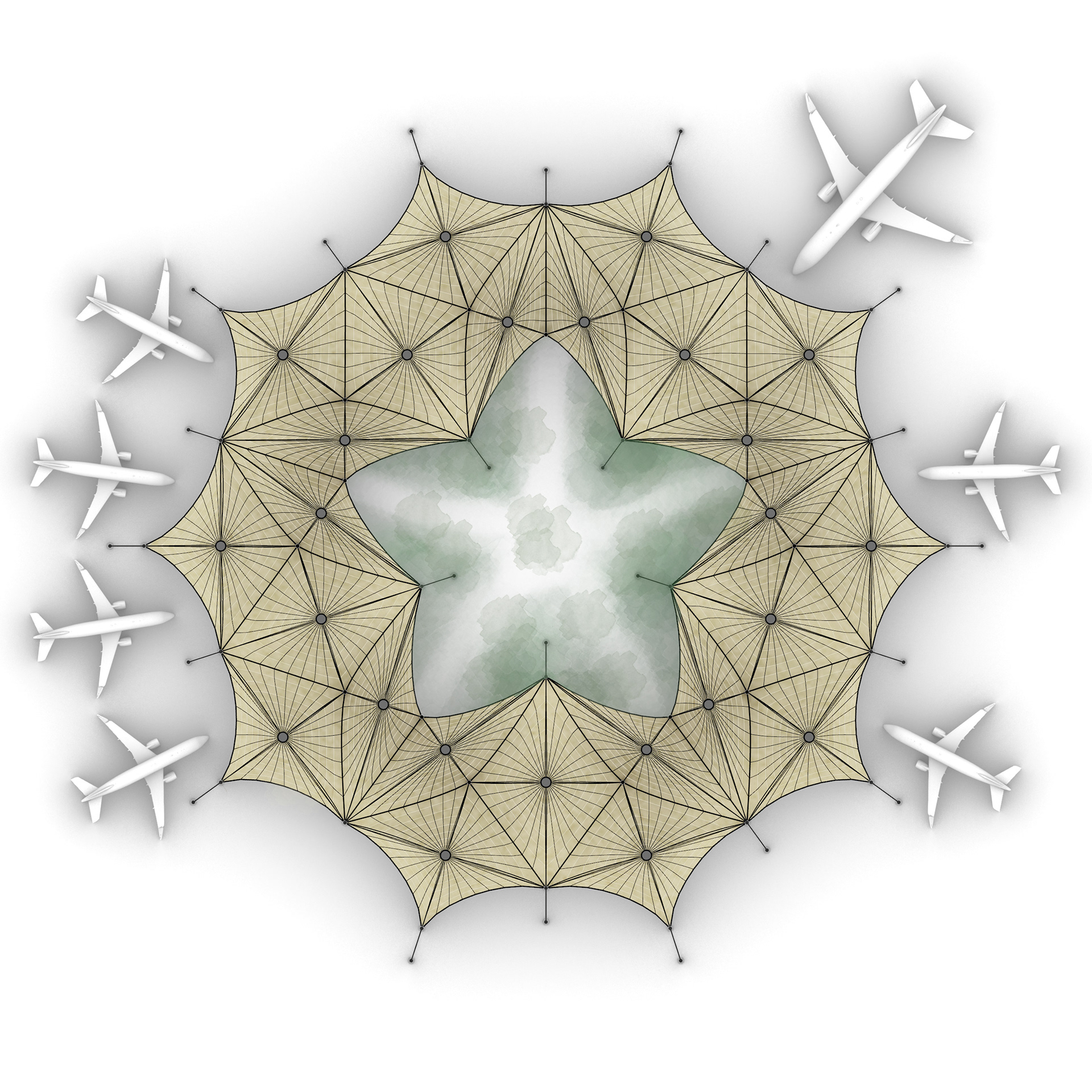
Reveals in the geometry become wayfinding elements that start to establish spaces with different scales within the terminal.